Hedge Trimming in Seven Sisters
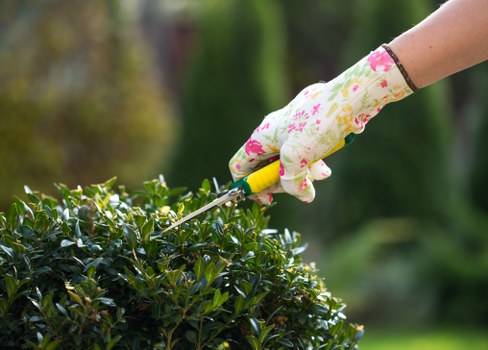
Hedge trimming in Seven Sisters is a practical garden service for keeping boundary planting, formal lines and established screens neat, balanced and under control. Our work focuses on shaping growth cleanly, managing seasonal thickness and helping hedges keep a tidy outline without stripping away the structure that makes them effective. Whether you need a one-off cut back or regular maintenance, the service is designed to support healthy growth and a smarter finish across front gardens, rear plots and shared outdoor spaces.
We handle hedge trimming as part of broader garden care as well, so the service can suit mixed outdoor spaces where hedges sit alongside lawns, borders or harder landscaping. That means the work can be planned around access, height, species and the result you want, rather than treated as a quick cosmetic cut. For many customers, the aim is simply to restore a crisp line and stop growth from becoming awkward, uneven or overextended.
To get started, it helps to think about the hedge’s current condition, the finish you want and how often it usually needs attention. If you already know the kind of outline you prefer, or if the hedge is affecting paths, light or visibility, those details make it easier to request a quotation. Please send over the basics and ask for a quote when you are ready.
Routine hedge trimming for neat boundaries
Routine trimming is the simplest way to keep a hedge in shape before it becomes heavy, sparse or awkward to correct. We can reduce soft seasonal growth, tidy the sides and keep the top line level so the hedge keeps its purpose as a boundary, screen or design feature. Regular attention is especially useful where a hedge needs to remain dense and presentable through the growing season.
In practical terms, a routine visit is about proportion and consistency. The hedge should look intentional from all angles, with the lower and upper sections cut in a way that suits the species and the available space. A strong finish does not rely on over-cutting; it relies on careful shaping, a sensible cutting depth and attention to the way the hedge will grow back after the trim.
Working with shape, height and species
Different hedge types respond differently to trimming, so the approach should match the plant rather than forcing every hedge into the same pattern. Some hedges benefit from light, frequent cuts that preserve density, while others need a firmer tidy to bring back the outline without leaving the growth stressed or thin. The right method also depends on whether the hedge is young, mature or already tightly established.
Hedge cutting near paths, drives and front gardens
Where hedges border paths, drives or front boundaries, the trimming work often has a clear functional purpose as well as a visual one. Overgrowth can make edges feel cramped, reduce clear movement space and leave the whole frontage looking untidy. A careful cut restores definition, helps the hedge sit properly against its setting and makes the surrounding area feel more orderly without needing larger changes to the garden.
Many customers also want the hedge reduced in a controlled way to improve light, visibility or access. That can involve straightening the top line, tidying the outward spread or cutting back branches that have grown beyond the intended boundary. If the hedge is part of a larger outdoor scheme, the finish should still look integrated rather than isolated, with the work sitting comfortably beside planting and other garden features.
How trimming supports long-term appearance
Good trimming supports long-term appearance by encouraging a dense, even structure instead of patchy outer growth. When hedges are left too long between cuts, the outer layer can become coarse while the base begins to look thin. A more considered maintenance pattern helps avoid that imbalance and keeps future work simpler, because the hedge remains easier to shape and less likely to need drastic correction later on.
Managing heavier growth and seasonal cut-backs
Some hedges need more than a light tidy, especially if growth has pushed well beyond the intended line. In those cases, the work may involve a more substantial reduction to bring the hedge back under control. The exact approach depends on the hedge type, its condition and how much of the current season’s growth needs to be removed without leaving the plant looking stripped.
Seasonal cut-backs can be useful after periods of fast growth, when the hedge has started to blur the edges of the garden or spill into adjoining areas. The aim is still a clean finish, but it may require a little more judgement about what should stay and what can be taken away safely. A sensible cut can improve shape now while leaving a sound structure for later maintenance.
Before work begins, it is useful to note any awkward access, taller sections or areas where the hedge already shows uneven growth. Photographs and a short description can help shape a quotation, especially if different parts of the hedge need different levels of attention. If the hedge is mixed with other planting, mention that too so the scope is clear.
Maintaining privacy, light and garden balance
Hedges often do several jobs at once: they define space, give privacy and soften the look of a property. Trimming needs to respect that balance. Cutting too hard can reduce the sense of shelter, while cutting too lightly can leave the hedge too wide or dominant. The right finish depends on what matters most in the garden and how the hedge fits within the overall layout.
For some customers, the priority is to keep a hedge tall enough to screen a boundary while narrowing it slightly so it feels less overpowering. For others, the goal is a sharper decorative profile that works with the rest of the garden design. Either way, the service should leave the hedge looking deliberate, with straight or softly contoured lines chosen to suit the setting.
Hedges that frame seating areas, entrances or planted borders often need particular care because they influence how the whole space feels. A tidy hedge can help the garden feel calm and well kept, while an uneven one can make the surrounding area seem unfinished. Regular trimming is often the most reliable way to keep the visual balance under control.
Hedge trimming alongside wider garden maintenance

Where a hedge forms part of a larger outdoor space, trimming is often best considered alongside other garden maintenance tasks. The hedge may need attention at the same time as lawn edging, border tidying or general seasonal clearing, especially if the garden has become overgrown in more than one area. Coordinating the work can help the finished space look coherent rather than partially addressed.
Our broader garden care pages cover related services such as garden maintenance, which can be useful if you are looking to keep several areas in order rather than tackle the hedge on its own. Where the hedge is part of a larger update, the trimming may also sit naturally beside garden clearance if surrounding growth, cuttings or neglected areas need attention at the same time.
For properties that need a fuller outdoor refresh, it may also make sense to view landscape gardening or landscaping as part of the wider picture. Those services suit customers who want more than a tidy cut and are thinking about the overall arrangement of their outdoor space, not just one boundary line.
What a hedge trimming quotation may depend on
Quotation details are usually shaped by the hedge’s length, height, thickness and accessibility. A long hedge with dense growth will naturally take more effort than a shorter, lighter one, while awkward access or multiple boundary runs can add complexity. The aim is not to overcomplicate the process, but to make sure the scope is clear enough for a fair and practical price discussion.
It also helps to say whether you want a light tidy, a fuller reduction or a one-off correction after a missed season. Those are not the same job, and they can involve different methods and timings. If you are comparing options, a simple description of the hedge and its current condition is usually more useful than a long list of assumptions about what the work might include.
When you are ready, ask for a quotation with the hedge length, approximate height and any access notes you can provide. A clear enquiry saves time and makes it easier to match the service to the work needed. If there are several hedges on one property, grouping them together in your message can also help keep the request straightforward.
Supporting hedges after trimming

After trimming, the hedge usually benefits from a sensible maintenance pattern that keeps the new outline intact. The practical aim is to avoid leaving the hedge to run too far before the next cut, because that can undo the clean lines and make later work more involved. A consistent approach helps preserve density and keeps the hedge looking settled in the garden rather than repeatedly being pushed into shape from scratch.
Some hedges are mainly ornamental, while others are functional boundary planting, so the follow-up care may differ slightly. A decorative hedge might need more frequent light shaping, whereas a privacy hedge may need careful trimming that protects cover while keeping the sides even. The service is flexible enough to suit both styles, provided the scope is explained clearly at the outset.
Where a hedge sits beside planting beds, paved areas or lawn edges, aftercare can also include keeping the surrounding zone clear of cut material. That is a small but useful part of leaving the garden usable straight away. If the hedge is especially tall or broad, mention this when you enquire so the work can be planned realistically.
Linked services for broader outdoor work
Some customers looking for hedge trimming also want to tidy the rest of the garden at the same time. In those cases, related services can be worth considering because they help the outdoor space feel finished as a whole. lawn mowing is a sensible addition where the grass needs bringing back into line, and decking services may be relevant if the hedge sits near a timber seating or circulation area that also needs attention.
If trees or larger growth are affecting the hedge line, the broader garden may need a different kind of cut-back. In that situation, tree lopping and removal can be the more relevant page to review, particularly where higher vegetation is changing shade, shape or access around the hedge. The right choice depends on what is actually overgrown and how the different parts of the garden relate to each other.
Choosing the right combination of work
A useful way to plan the job is to separate urgent cutting from longer-term improvements. Hedge trimming deals with the outline and control of the hedge itself, while other services can address the wider setting. That distinction matters because it helps keep the quotation focused on the work you really need, rather than adding tasks that do not belong in the same visit or scope.
About Seven Sisters
Seven Sisters is an area in north London, associated with the broader South Tottenham district and the London Borough of Haringey. The name is shared by the Underground and rail station, which sits on the North London Line and the Weaver line, and the area is well connected by routes heading through inner north London. Its streets bring together Victorian and later housing, with mixed residential terraces, local shops and busy main-road movement shaping the everyday character of the neighbourhood. The area has long been influenced by the growth of Tottenham and the wider Lea Valley corridor, where transport links and industry helped shape settlement patterns over time. Nearby open spaces and established routes give the district a practical urban feel, while its position between more than one part of north London means it is often read as both a local centre and a connecting point. Public space and community activity are visible in the surrounding streets, with the area’s identity built from rail access, dense housing and the layered development of the capital rather than from a single landmark or district boundary. That makes Seven Sisters a place with a clear sense of movement, everyday commerce and residential life, set within the broader geography of inner London.
Request a quote for hedge trimming

If your hedge has started to lose its line, gained too much width or simply needs a tidy finish, hedge trimming in Seven Sisters can bring it back under control with a clean and measured cut. The service is suitable for regular upkeep and for more noticeable reductions where the hedge has been left to grow beyond its ideal shape. Our focus is always on a finish that looks intentional and works with the rest of the garden.
You can also use the service to support the wider condition of the garden, especially where hedges are part of the main boundary or help define key outdoor spaces. If you are comparing options, look at the related service pages that match your garden needs and decide whether the hedge itself is the only priority or part of a bigger tidy-up. Either way, the next step is simple: send your details and request a quotation.
For broader enquiries, the services overview and pricing and quotes pages may help you frame what to include in your request. When you are ready, ask for a quotation and we will take it from there.